Michigan Slot Licensing changed in a practical way on April 27, 2026, when amended Michigan casino supplier rules took effect. For slot players, the useful question is not whether the rule text sounds strict, but what it does to the companies that build, service, or support slot machines and related systems. My view is cautious: licensing does not make a slot favorable to the player, and it does not change the need for bankroll limits. It can, however, give players a clearer basis for judging whether the people behind a machine, platform, or system are subject to state review.
The main distinction is between gaming-related suppliers and non-gaming-related suppliers. That distinction matters because slot machines, game equipment, outcome-affecting services, revenue controls, and gambling conduct sit close to the core of casino integrity. A vendor selling unrelated goods to a casino is not in the same risk category as a company that services slot equipment or supports systems tied to play. Readers comparing regulatory signals with broader market reporting can use context from Vegas Revenue to better understand gaming-related financial data, but licensing status should be read against official Michigan materials rather than promotional claims.
What Changed In Michigan Slot Licensing
April 27, 2026 Rule Changes
Michigan finalized amended rules effective on April 27, 2026, including changes under R 432-1321 and R 432-1322. The rule update modified how gaming-related and non-gaming-related suppliers are defined and treated for licensing purposes, according to the state final rules file Michigan final rules. For a slot player, this is not a bonus announcement or a payout change. It is a gatekeeping change that affects which vendors must be licensed before doing certain kinds of casino business.
The central player-facing effect is separation by risk. A supplier that can affect game outcomes, revenue control, gambling conduct, or gaming equipment is treated differently from a supplier providing unrelated goods or services. That is a sensible line from a bankroll-management perspective because player money is exposed at the point where game systems, payout processes, and casino controls meet.
Michigan Slot Licensing Checks For Slot Suppliers
For gaming-related suppliers, the research indicates there is no dollar threshold. If the supplier provides slot machines, game equipment, or services that can affect the conduct of gambling, outcomes, or revenue control, the supplier must hold the appropriate license. That means small-dollar work does not become low-risk merely because the invoice is smaller. For players, this is one of the more meaningful pieces of the update because the rule focuses on function, not just transaction size.
For non-gaming-related suppliers, the threshold is different. The amended rule uses a $500,000 amount in goods or services to a single commercial casino over a rolling 12-month period. Below that level, exemptions may apply. Above that level, the supplier must address licensing or stop doing business with that casino, and the casino may have to end the relationship if compliance is not met. This structure aims to reserve heavier licensing work for suppliers with greater casino exposure while keeping tighter control over vendors near the actual gaming product.
Supplier Exemptions And Practical Limits
Who May Be Exempt
Resolution 2024-03, adopted in 2024 and effective as of September 29, 2026, provides automatic or conditional exemptions for certain entities. The covered categories include government agencies, professional legal service providers, occasional entertainers, and financial institutions, among others. Exemptions are not open-ended. They are granted for five years, and renewal involves a fee and background check requirement, according to Resolution 2024-03.
The resolution also states that entities exempted under the prior 2021-03 resolution are carried over and must meet the conditions of Resolution 2024-03 upon renewal. The application fee for a new exemption is $200, while renewal is $100. Those figures matter because they show that exemption is not the same as being ignored by the regulator. It is a lower-burden path for categories the state has identified as less connected to gambling operations.
Why Exemptions Do Not Mean Looser Slot Oversight
Players should avoid a common misunderstanding: exemptions for low-risk or unrelated suppliers do not mean slot systems are being left alone. A carpet vendor, food-service provider, or occasional entertainer is not comparable to a company supplying slot cabinets, software, cashless wagering systems, or progressive jackpot systems. The amended approach keeps the heavier licensing expectation near the parts of the casino that can affect gambling conduct and system integrity.
That distinction is useful. If regulatory staff and casinos can spend less time on unrelated supplier categories, more attention can remain on vendors tied to the gambling product itself. The research does not prove that players will see faster game launches, lower costs, or better hold percentages. Those outcomes would require separate data. What the rule does support is a cleaner risk sort between gaming-facing vendors and vendors that operate farther away from wagering activity.
Player Experience On Slot Floors And Apps
What Players May Notice
For slot players, Michigan Slot Licensing is most visible through trust signals rather than obvious screen changes. You may not see a new message on a machine or a new button in a casino app because of these amendments. The effect sits behind the scenes: supplier qualification, review of relevant businesses, attention to key persons, and rules around ownership changes and system integrity.
That matters for physical slot floors and online casino products because the supplier chain can affect game availability, maintenance, and system reliability. A player should still treat every spin as a paid entertainment decision with a negative expected cost unless the posted game rules say otherwise. Licensing should not be read as an endorsement that a game is suitable for your budget, only that the supplier category is subject to Michigan’s regulatory framework.
What Players Should Not Assume
Michigan Slot Licensing is not a shortcut for judging payouts. It does not tell you that a specific machine is favorable, that a bonus is worth accepting, or that a progressive jackpot will be hit by any particular player. It also does not remove the need to read the paytable, wager sizes, progressive rules, and any operator terms tied to promotions. If a bonus is offered, look first for wagering requirements, eligibility limits, expiration rules, game contribution rules, and withdrawal conditions. If those terms are not clear, treat the offer as unsuitable until they are clear.
From a bankroll angle, supplier licensing is only one layer. Your session limit, loss limit, and time limit still do most of the work in protecting your funds. A compliant supplier does not change the math of overbetting. It also does not justify chasing losses after a cold sequence, which is one of the most common ways players move from entertainment spending into financial stress.
Slot Integrity, Payments, And Mobile Use
Systems Connected To Gambling Conduct
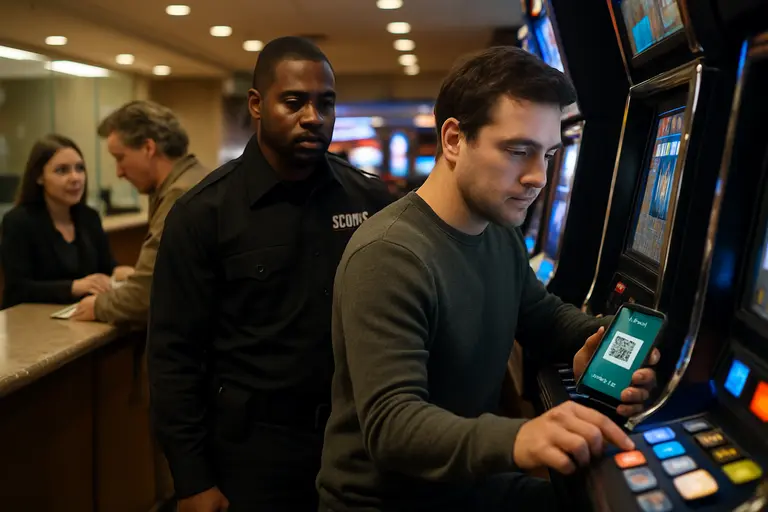
The rule materials identify areas such as slot machines, cashless wagering, and progressive jackpot systems as part of the broader integrity picture. These systems need controls because they sit close to real-money play. If a vendor can influence gambling conduct or revenue control, Michigan treats that vendor differently from a supplier that merely sells unrelated goods.
That is especially relevant as slot play becomes more dependent on account systems, mobile access, and payment rails. Players often judge an app by speed, layout, and convenience, but those surface features are not enough. A careful review asks whether the operator is licensed in the state, whether identity checks are clear, whether deposits and withdrawals are explained before play, and whether bonus terms are easy to find. A related discussion of platform design and player decision points appears in this site’s article on digital casino integration.
Security Signals Players Can Actually Use
Players cannot personally audit a slot supplier’s internal controls. What they can do is use practical checks. Confirm that the casino is authorized for the jurisdiction where you are playing. Look for clear responsible-gaming tools such as deposit limits, time limits, and self-exclusion access. Review whether payout terms describe processing conditions and whether bonus terms explain restrictions without hiding key limits in vague language.
For mobile play, also pay attention to session stability and account prompts. A well-designed app should not make it hard to find account history, pending withdrawals, bonus balances, or limit-setting tools. These features do not prove the games are favorable, but they help you control exposure. From a player-protection standpoint, usability is not cosmetic; it affects whether you can make a sober decision before adding more money.
Michigan Slot Licensing For Practical Play
A Player-Facing Reading Of The Update
A cautious reading of Michigan Slot Licensing is that the update strengthens the distinction between vendors that touch gambling systems and vendors that do not. That is good for clarity. The no-threshold approach for gaming-related suppliers keeps attention on slot machines, game equipment, revenue control, and services tied to gambling conduct. The $500,000 rolling 12-month threshold for non-gaming-related suppliers limits heavier licensing demands where the vendor’s connection to wagering is less direct.
For players, the update should support a more disciplined way to assess slot environments. Ask whether the operator and supplier chain are subject to state oversight, but do not stop there. Read the game rules. Read every bonus condition before opting in. Keep session spending separate from rent, bills, debt payments, and savings. If a casino or app makes any material term hard to find, step back rather than guessing.
Bankroll Discipline Still Comes First
Licensing is a trust signal, not a bankroll plan. Before playing slots in Michigan, decide what you can afford to lose as an entertainment cost and set that amount before the first wager. Do not raise the limit after losses. Do not use supplier licensing, a new game release, or a promotional offer as a reason to increase stake size. The best use of these regulatory updates is not excitement; it is better screening. Players who combine regulatory awareness with strict personal limits are in the strongest position to keep slot play within a controlled budget.