What makes a fun gaming session turn into a financial headache? It often comes down to one thing: bankroll management.
This key skill isn’t just for pros. It’s for anyone who wants to enjoy betting without losing control. By setting deposit limits and other controls, you create a safe space for fun.
These limits protect your money and mind. It’s like setting a budget before you start playing. Studies show that players with clear plans play longer and avoid losing streaks.
This article will give you that plan. We’ll share expert tips in a simple, step-by-step guide. You’ll learn how to set limits that fit your life.
The aim isn’t to limit you. It’s to help you play smarter and keep what’s important safe. Let’s start building a foundation for fun and responsible gaming.
Pick an Intent and Monthly Cap
Think of your gambling budget like a monthly entertainment subscription. You decide the price based on what you value and can comfortably spend. This mindset shift is your first and most powerful tool. It moves you from reactive spending to proactive, intentional play.
Your “intent” answers the why. Are you here for casual fun, like going to the movies? Or are you building a serious bankroll to test a strategy? Your goal dictates everything, including your financial ceiling.
Your monthly cap is the absolute maximum you will deposit across all sites in a 30-day period. It is not a random number. It comes directly from your disposable “entertainment budget.” This is money left after bills, savings, and essentials.
Let’s clarify the two primary intents. The table below shows how your purpose changes the approach to your cap and subsequent wager limits.
| Intent | Primary Goal | Monthly Cap Mindset |
|---|---|---|
| Recreational | Entertainment, fun, limited risk. | A fixed cost for leisure, similar to a dining-out budget. The cap is low and non-negotiable. |
| Serious/Bankroll Building | Skill-testing, profit over time. | An investment fund. The cap is higher but calculated as risk capital you can afford to lose. |
| Key Difference | Emotional vs. analytical approach. | Entertainment expense vs. calculated business risk. |
Now, how do you calculate your personal monthly cap? Follow these steps using your own numbers.
- Find Your Disposable Income: Review last month’s bank statement. Subtract all essential costs (rent, groceries, utilities, debt, savings). What remains is your discretionary fund.
- Assign an Entertainment Percentage: From that discretionary fund, decide what portion is for entertainment. A common and safe approach is 5-10%. This becomes your gambling budget.
- Consider a Weekly Breakdown: For better discipline, divide your monthly cap by four. This weekly budget helps prevent overspending in a single session.
- Plan Your Session Bankroll: If you play seriously, your session bankroll should cover a specific number of bets. For example, plan for 250 spins or 50 hands. This ensures your money lasts for targeted play.
This calculated monthly cap is your financial bedrock. Every other limit—like deposit, loss, and wager limits—will be built underneath this ceiling. Setting it with intent turns a restriction into a smart, empowering plan.
You are not limiting your fun. You are designing it. With a clear cap based on your real finances, you create space for enjoyment without regret. This is the mark of a savvy player.
Limit Types: deposit, loss, wager, time, reality checks, cool‑off

A good personal limit plan has many controls, not just one. Online platforms offer tools for money, time, and behavior limits. Knowing how each tool works helps you create a plan that fits your style.
Here are the six main limit types you’ll find at good sites:
- Deposit Limits
- Loss Limits
- Wager Limits
- Time Limits / Session Timers
- Reality Checks
- Cool‑Off Periods
Deposit Limits help you control how much money you add to your account. You can set limits for daily, weekly, or monthly deposits. This stops you from adding money impulsively after losing.
Loss Limits protect you from making emotional bets. You set a max loss for a day or session. Once you hit it, you can’t bet more. This stops the cycle of chasing losses.
It works well with effective bankroll management.
Wager Limits control how much you bet. You can set a max bet per spin or hand. This is good for games with high volatility, as it prevents losing money too fast.
Time Limits and Session Timers control how long you play. You can set alerts or a hard stop. A hard stop logs you out when time’s up. This helps you avoid getting lost in casino games.
Reality Checks are pop-up notifications. They don’t stop play but interrupt it. They show how long you’ve played and how much you’ve wagered or lost. This pause can help you decide to keep playing or stop.
Cool‑Off Periods are short breaks. If you feel out of control, you can pause your account for 24 hours, 7 days, or 30 days. This isn’t a permanent shutdown but a chance to calm down and think clearly.
Using these tools together is the best way. Deposit limits control spending, while loss limits protect you in a session. Session timers and reality checks prevent getting lost in time. Together, they help keep playtime fun and not overwhelming.
Stack Limits Across Sites (Same Values/Dates)
Using different rules on different gambling sites can ruin your budget plans. You might set a strict $200 monthly deposit cap on one platform but allow yourself $500 on another. This inconsistency creates loopholes. It invites your disciplined self to be overruled by an impulsive one.
The solution is a unified strategy called limit stacking. This means applying the exact same deposit, loss, wager, and time limits—and the same cool-off duration—on every single site you use. Consistency in approach is truly key for maintaining long-term discipline. Stacking transforms your separate accounts into a single, manageable system.
Adopt the mindset of a financial manager overseeing one portfolio. Your various gambling accounts are just different branches of the same bank. To govern them effectively, you need one set of policies. This perspective, championed by the Sage archetype, simplifies your mental accounting. It removes the temptation to chase losses on a “softer” site.
Your first practical step is an audit. Log into every online casino where you have an active account. Navigate to the responsible gaming or limits section. Write down every limit you currently have set. You will likely find a confusing patchwork of numbers and dates.
| Limit Type | Site A (Before Stacking) | Site B (Before Stacking) | Your Stacked System (After) |
|---|---|---|---|
| Monthly Deposit Cap | $300 | $600 | $400 (Your Unified Cap) |
| Daily Time Limit | 60 minutes | No limit set | 90 minutes (Your Unified Limit) |
| Cool-Off Period | 7 days | 1 day | 3 days (Your Unified Duration) |
| Weekly Loss Limit | $150 | $500 | $250 (Your Unified Limit) |
After the audit, standardize. Use the predetermined values you established from setting and sticking to your casino gambling. Apply them uniformly. If your chosen monthly cap is $400, set it to $400 everywhere. This is non-negotiable.
Pay special attention to universal cool-off periods. These are your consistent reset button. Whether you need a short break after a big win or a longer pause after a loss, applying consistent cool-offs across all platforms prevents you from simply hopping to another site. It enforces a true break.
The good news is that this strategy is fully supported by technology. Most licensed online platforms offer these precise tools. By stacking identical limits, you build a fortress of accountability around your entertainment budget. Your discipline becomes systemic, not situational.
Step‑by‑Step Enabling + screenshots list
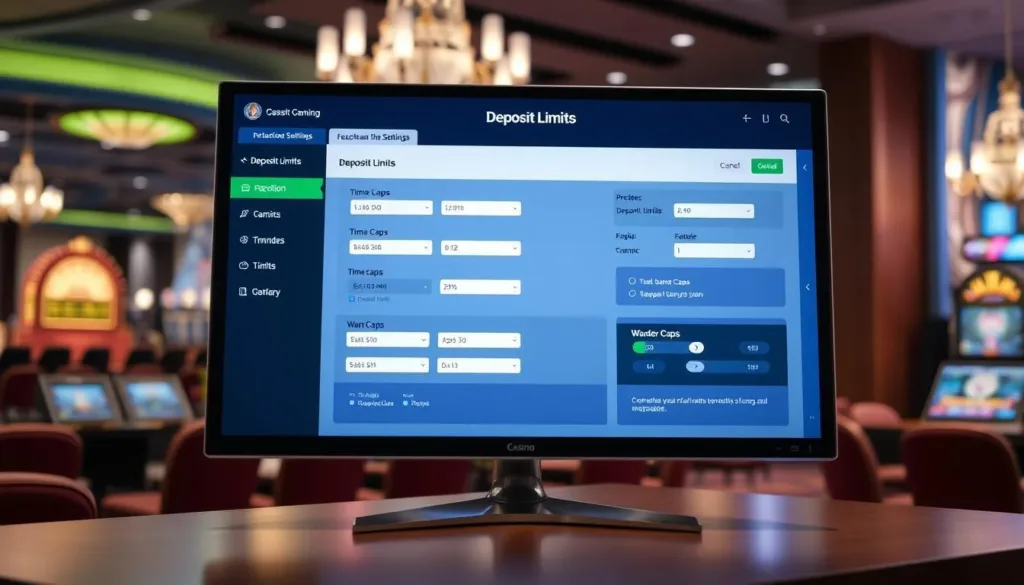
This guide shows you how to turn on limit plans on your account. It’s easy and takes just a few minutes. The steps are the same on most platforms.
First, go to your account settings or profile menu. Look for a tab or link called “Responsible Gaming,” “Play Safely,” or “Account Limits.” This is where you manage your safety settings.
Inside, you’ll see a list of limit types. Here’s how to enable the main controls:
- Navigate to Deposit Limits: Click on this option. You can set a daily, weekly, or monthly cap. You can enter a number or use a slider. Choose how long it lasts from a dropdown.
- Locate Wager Limits: This setting might be called “Bet Limits” or “Stake Limits.” It lets you set a bet cap for a certain time. Like deposit limits, you input your cap.
- Set Time and Loss Limits: Find “Session Time Limit” to set a play session cap. “Loss Limits” or “Net Loss Limits” stop play when you’ve lost a certain amount. Many sites offer reality check reminders too.
- Configure Autoplay Settings: This is key for slot players. In game settings, you can set a spin limit for autoplay and a single spin wager cap. This stops fast, unchecked play.
The setup panels are easy to use. You’ll find boxes, sliders, and dropdowns for time periods. Always look for a bright “Save,” “Confirm,” or “Apply” button after making your choices. Some sites might ask for your password again to confirm these changes.
There’s more to explore beyond these limits. Turn on session timers to log out when time’s up. Use expense trackers or apps to keep an eye on your spending across sites. These tools help create a strong safety net.
Remember, these settings are for your protection. By enabling deposit limits and wager limits, you make your plan real. Your future self will appreciate this simple setup.
Accountability: reminders, buddy check‑ins
Session timers and alerts are like technical rules. But adding personal accountability makes it even stronger. It’s like having rules for yourself and making sure you follow them. This mix of tech and personal effort helps you stay disciplined.
Begin by setting a weekly meeting with yourself. It’s not just a suggestion; it’s a must. Also, use a session timer on your phone. This is your own alert system, separate from casino tools. Look into accountability apps to make reminders easier.
Having someone you trust is key. Choose a friend or family member to be your accountability buddy. It’s not about sharing secrets; it’s about having someone watch over you. Tell them about your one-page limit plan, just like you would a business project.
Make sure your partnership is clear and easy. A simple, relaxed check-in is best. You might agree to:
- Share your weekly ledger: Keeping detailed records helps you manage better and gives your buddy real data.
- Send a quick update text after your weekly review.
- Grant explicit permission for them to ask direct, non-judgmental questions if they notice changes in your pattern or mood.
This approach makes accountability a smart move, not a weakness. In business, we rely on colleagues for checks. Doing the same in personal life makes your limits a social promise. This boosts your chances of success over time.
Weekly Review: ledger + feelings log
Can you spot problems before they get worse? A weekly review can help. It turns data into useful self-knowledge. This makes your limits more than just rules.
Think of this review as a health check for your play. First, keep a financial ledger. Write down the date, game, and money spent. This shows where your money goes.
The second part is a “feelings log.” Note your mood before, during, and after playing. Was it boredom or excitement that made you play?
- Financial Ledger: Date | Game Played | Start Balance | End Balance | Total Wagered | Net Result
- Feelings Log: Pre-Session Mood | In-Session Emotion | Post-Session Reflection | Any Triggers Noted?
This practice makes you treat every credit as real money. By comparing the logs, you might find patterns. For example, you might play more when stressed or after a small win.
This isn’t just journaling; it’s strategic self-improvement. Knowing stress leads to chasing losses helps you set new rules. Like not playing on stressful days.
Consistently breaking limits is a warning sign. This review gives you the evidence. If you keep breaking limits, it’s time to think about self-exclusion prep.
Your weekly review connects your intentions to actions. It gives you the power to understand your behavior. This practice makes your limits grow and adapt with you.
One‑Page Limit Plan Template
Combine your responsible gaming plan into one document. This template includes your monthly spending cap and deposit limits. It also covers time limits on platforms like BetMGM or DraftKings.
Make sure to list your accountability contacts and schedule weekly reviews. Update this document every week. Setting win and stop-loss limits for each session helps you stay disciplined.
A “When to Pause or Escalate” section is key. Set criteria for cool-offs, like three weeks of exceeding limits. This helps you stay on track.
Outline your self-exclusion plan too. Decide when to use tools like these, like when you use money meant for bills. These tools are a safety net for players worried about their habits.
Print your plan and keep it where you can see it. Deciding on limits before playing is the most critical step for controlled gaming.