Imagine a game where your mind is more important than luck. That’s blackjack – the chess of casino games. It’s not like slots, where you just pull levers and hope. In blackjack, you use your brain to outsmart the house. Almost.
Think of the movie 21 where math geniuses solve the game. Or Rounders, where poker players show off their skills. Blackjack is like that, but easier. It’s a mix of poker strategy and math, without needing a PhD.
Casinos don’t like players who think too much. That’s why they fear card counters. These are the players who use math to beat the house.
You don’t need to be a math genius to win at blackjack. A good beginner casino guide can teach you to play smart. We’ll cover basic strategy and how to avoid common mistakes that can cost you.
This guide is your introduction to casino games that value brains over luck. Bond didn’t win by chance. He won by making smart moves.
Introduction: The Appeal of Blackjack for New Players
Blackjack is more than a game; it’s a fight against luck. Unlike poker, which needs a lot of emotional strength, and roulette, which is all about chance, blackjack gives you control. It’s like playing chess against the casino, where even beginners can win with smart moves.
- Accessible Complexity: You don’t need poker tips for beginners to play. Basic math is enough.
- Statistical Soul: Blackjack lets you make smart choices based on odds. The MIT team won big by using strategy, not just luck.
- Hollywood Glam: Famous characters like Danny Ocean and Rusty play blackjack. You can be like them, smart and successful.
Blackjack has a low house edge of just 0.5% with the right strategy. This is much better than roulette’s 5.26% or slot machines’ high odds. Your choices can really change the game, without any tricks.
New players often choose between roulette and poker. Roulette is all about feeling, while poker is all about ego. Blackjack is different. It’s for those who like to think and strategize, not just roll dice. Who wouldn’t want to feel like a hero in their own movie?
Basic Rules of Blackjack
Blackjack isn’t rocket science, unless you’re trying to split atoms instead of aces. Let’s strip away the velvet-rope mystique with a no-nonsense breakdown even Henry Hill could explain without needing to launder the terminology first.
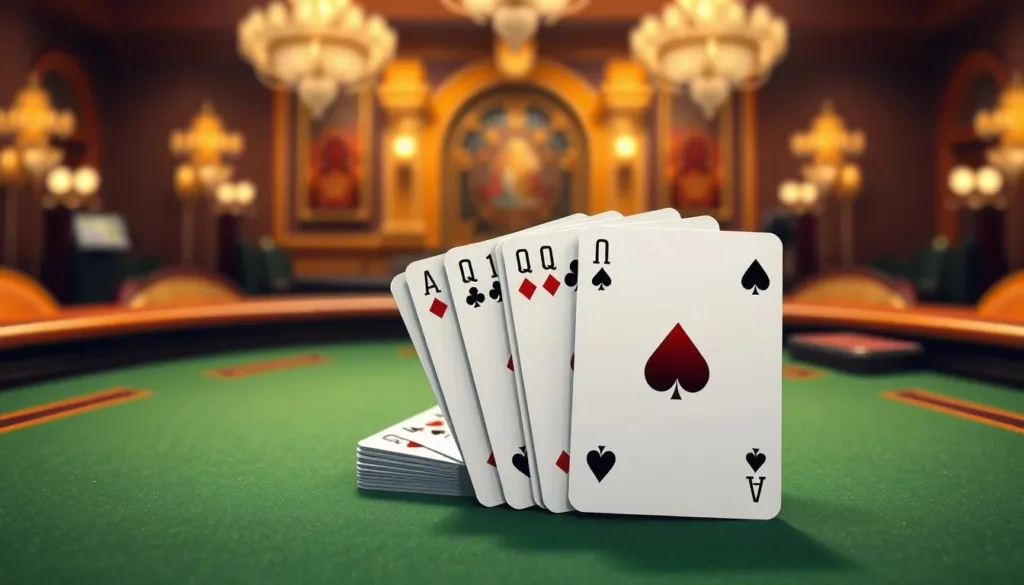
- Card values: Number cards = face value (7♠️ = 7), face cards = 10 (Q♥️ = 10), Aces = 1 or 11 (your call)
- Objective: Beat the dealer’s total without exceeding 21
- Payouts: 3:2 for natural blackjack (21 on first two cards) – think of it like stock dividends before casinos started giving 6:5 versions
Understanding casino odds is key: that 3:2 payout isn’t just flair. It cuts the house edge by 1.39% compared to 6:5 tables. Always look for tables like you’re checking a corporate balance sheet.
| Blackjack | Pontoon | |
|---|---|---|
| Dealer Hits Soft 17? | Yes | No |
| Term for 21 | Blackjack | Pontoon |
| Payout Ratio | 3:2 | 2:1 |
| Doubling Rules | Any two cards | 9-11 only |
Game flow moves fast: place bets, get two cards face-up (dealer shows one), then choose to:
- Hit: Take another card
- Stand: Keep your total
- Double: Double your bet for one final card
- Split: Divide matching cards into separate hands
And about that Rain Man fantasy? Card counting works mathematically, but it’s like trying to parallel park a Lamborghini during rush hour. It’s possible in theory, but disastrous without years of practice. First, focus on basic blackjack strategy before trying to join MIT’s blackjack team.
Table Etiquette and Game Play
Playing blackjack at a table is like navigating a social minefield. It’s not just about being polite. It’s about following the unwritten social contract that keeps things civil. Think of it as the difference between a fun night out and a scene from The Hangover (like Alan’s infamous chip swipe).
- Stack vertically for clear visibility
- Place bets before the deal begins
- Never touch another player’s chips (unless you want security’s attention)
| Home Game Behavior | Casino Protocol |
|---|---|
| Casual conversation during deals | Hands visible when cards are out |
| Joking about card values | No phone use at the table |
| Self-dealing practice | Dealer handles all cards |
Tipping in casinos is a way to show appreciation, not to bribe. A $5 chip to the dealer can go a long way. It shows you value their service without spending too much. Remember, dealers are on your side, not out to get you.
Three rookie mistakes to avoid:
- Hovering hands over the table like a nervous T-Rex
- Asking to “borrow” chips between hands
- Commenting on others’ play decisions
Pro tip: Observe how experienced players interact with the dealer. You’ll learn more about casino etiquette than from any rulebook. Now, are you ready to handle chips like a pro and avoid becoming the table’s cautionary tale?
Understanding “Basic Strategy”
Basic strategy is more than advice; it’s a guide for smart play. It’s like a cheat sheet for making the right moves in blackjack. Forget about guessing; math is the key.
When to Hit, Stand, Double, Split
Think of your hand as Bruce Wayne facing Gotham’s dangers. A hard 16 against a dealer’s 7? That’s when you “hit” like you’re avoiding Bane. Soft 18 against a dealer’s 6? Double down like you’re facing Alfred’s stern look.
Splitting 8s is like leaving a bad relationship. Staying together is misery. But splitting Aces is like forming the Avengers—maximum power through separation.
| Your Hand | Dealer’s Upcard | Action |
|---|---|---|
| Hard 16 | 7 | Hit |
| Soft 18 | 6 | Double |
| Pair of 8s | Any | Split |
| 12 | 2 or 3 | Stand |
Mistakes New Players Make
Three rookie errors that can ruin your bankroll fast:
- Drinking like Hemingway, betting like Trump: Too much to drink can make you bet too much.
- Ignoring the surrender button: Sometimes, it’s better to fold than to keep betting.
- Chasing losses with side bets: Side bets like “21+3” are very risky.
To avoid these mistakes, learn to manage your bankroll well. Basic strategy is about making smart choices over time, not winning every hand.
Bankroll Management for Blackjack Players
Think of your blackjack bankroll like Walter White’s meth budget in Breaking Bad. Every dollar has a purpose, and reckless spending leads to explosive consequences. It’s not Monopoly money; it’s your intellectual war chest. It fuels your strategic conquests.
Seasoned players manage their casino budget like chess masters manage their clock. They are precise, deliberate, and efficient. Here’s how to avoid becoming the Jesse Pinkman of the blackjack table:
- The 1-2% Rule: Never bet more than 1-2% of your total bankroll per hand. A $500 budget? That’s $5-$10 stakes. This isn’t a suggestion – it’s financial armor against variance’s gut punches.
- Session Caps: Divide your war chest into daily “missions.” Lose 50% of today’s allocation? Walk away. Win 30%? Pocket the profit like Heisenberg securing his blue crystal stash.
- Profit Parachutes: Set win targets before sitting down. Hitting 20% ahead? Cash out and celebrate with something better than Los Pollos Hermanos.
The Martingale system? That’s not strategy – it’s financial Russian roulette. Doubling bets after losses works until you’re staring at a $1,600 wager to recoup $5. Real bankroll management means outsmarting the game, not out-muscling it.
Here’s your blueprint for casino budget domination:
| Bankroll | Bet Size (1%) | Daily Sessions | Stop-Loss |
|---|---|---|---|
| $500 | $5 | 5 x $100 | $50/session |
| $1,000 | $10 | 4 x $250 | $125/session |
| $2,500 | $25 | 5 x $500 | $250/session |
Remember: Blackjack isn’t a sprint to bankruptcy court. It’s a marathon where the disciplined survive to fight another day. Would Walter White risk his entire cook budget on one batch? Neither should you.
Card Counting: Should You Try It?
Card counting isn’t a quick fix—it’s like trying to solve a Rubik’s Cube blindfolded while the dealer reshuffles. Casinos see it as their forbidden fruit, tempting you with Rain Man dreams while using advanced tech to stop you. But here’s the truth: Even if you get the math right, today’s surveillance systems turn blackjack into a digital watchtower.
Pros and Cons for Beginners
The Hi-Lo system is a beginner’s guide to card counting. It assigns +1 to low cards and -1 to high ones. It’s a structured way to start.
- Pro: You’ll grasp casino odds better than ever. With a perfect count, you get a 1-2% edge, beating Bitcoin’s best days.
- Con: Your count can change wildly. One bad shuffle can turn your mind into scrambled eggs.
Modern casinos don’t just watch—they learn. They use facial recognition to track your tells fast. Pit bosses know card counters better than blackjack games. A dealer once said: “We ban predictable winners, not just winners.”
| Tactic | Beginner Win Rate | Casino Countermove |
|---|---|---|
| Hi-Lo System | 0.5-1% Edge | 6-Deck Shufflers |
| Group Play | 2-3% Edge | Backroom “Chats” |
| AI-Assisted Apps | Instant Detection | Device Confiscation |
So, should you try it? Only if you enjoy a mental challenge like chessboxing. For most, learning basic strategy first is like learning to walk before doing parkour on the Strip.
Avoiding Common Pitfalls
Mastering blackjack is more than just counting cards. It’s about being smart with your money and drinks. Casinos love to see players make liquid hubris and take risks on side bets. Here are three common mistakes that can turn beginners into the house’s ATM.
The Martini Miscalculation
That free drink might seem like a good deal, but it’s a trap. Alcohol can cloud your judgment quickly. Studies show that even two drinks can reduce your strategic accuracy by 40%.
Follow the advice from Casino and limit your drinks to one per hour. Drink water in between to stay sharp. And never play when you’re drunk—your brain needs to be sharp for blackjack.
Betting Like You’re Printing Money
Over-betting is like the Wolf of Wall Street’s reckless spending. Your bankroll is not a joke. Always follow the 5% rule: Never bet more than 5% of your total bankroll on one hand.
If you’re sweating a lot, you’re betting too much. It’s time to slow down and think about your moves.
Side Bets: The NFT of Blackjack
Insurance bets and perfect pairs are like the financial NFTs of blackjack. They look good but have no real value. Let’s look at the numbers:
| Bet Type | House Edge | Win Frequency |
|---|---|---|
| Main Game | 0.5% | 42% |
| Insurance | 7.4% | 31% |
| Perfect Pair | 11.1% | 5% |
Side bets can empty your wallet fast. Treat them like a timeshare pitch—smile, nod, and walk away.
Conclusion
Blackjack tables buzz with excitement. To your left, people buy Powerball tickets. To your right, math experts figure out the best moves. This game turns numbers into a thrilling show.
The top blackjack tips aren’t just about remembering rules. They’re about being ready for every situation. It’s like a game of strategy, not just luck.
Imagine Mike McDermott from Rounders facing Teddy KGB. He won by reading his opponent’s moves, not just hoping for the best. Every choice to hit or stand is a test of your thinking.
Managing your bankroll is like growing up with cards. Counting cards is just simple math. Beginners need to be disciplined, but the thrill is worth it.
Sun Tzu might not have played blackjack, but his advice is perfect. Learn basic strategy like your Netflix password. Avoid side bets and know when to walk away.
Blackjack doesn’t care about your horoscope. It’s all about making smart choices. So, practice your skills and remember: casinos don’t like smart players.