Pennsylvania’s May 2026 gaming report gives online casino players, operators, and comparison sites a sharper view of where the U.S. casino market is moving. The Pennsylvania Gaming Control Board reported $625,467,775 in combined gaming revenue for May 2026, the highest monthly total recorded by the agency across slot machines, table games, internet gaming, sports wagering, fantasy contests, and video gaming terminals. That figure was 3.93% higher than May 2025 and passed the previous high of $623,092,053 from January 2025, according to the PGCB’s official May revenue report.
For readers comparing online casino sites, the record matters less as a headline number and more as a market signal. Pennsylvania is not a small test case. It is one of the most mature regulated gaming states in the country, with retail casinos, online casino games, online sports betting, fantasy contests, and VGTs all visible in the same monthly report. When internet casino slots alone generate more than $202 million in one month, online casino growth is no longer a side story.
Pennsylvania’s May Record Shows A Mature Casino Market, Not A Short Spike
The Pennsylvania Gaming Control Board’s June 17, 2026 release showed statewide gaming revenue of $625.47 million for May, with tax revenue of $269.95 million. Those numbers matter because they were not built from one product line. The report covered retail slots, retail table games, iGaming slots, iGaming tables, iGaming poker, sports wagering, VGTs, and fantasy contests.

That split is useful for players because it shows how casino behavior is changing. Retail casinos still produced large totals, with retail slot revenue at $232,063,095 and retail table games at $81,244,322. Yet the digital side is now large enough to shape the statewide total. iGaming slots produced $202,477,014 in May 2026, up 14.28% from $177,181,084 in May 2025. iGaming table games produced $49,864,055, and iGaming poker added $2,483,973.
This is why Pennsylvania’s record is more than a casino-floor story. Retail casinos remain central, but mobile and desktop casino play are now part of the state’s core gaming economy. Online slots, table games, and poker are no longer secondary products attached to a land-based brand. They are measurable, tax-producing, regulated verticals that can move the statewide market.
For Best Casino USA readers, the practical takeaway is simple: online casino comparison should start with market structure. A large regulated market usually means more operators, more payment systems, more compliance oversight, and more responsible gambling tools. It does not mean every player experience is equal. It means the review process needs to be more disciplined.
Online Slots Are The Clearest Growth Signal In The Report
The most important number in the May report may be the iGaming slots total. Pennsylvania online slot revenue reached $202.48 million, making digital slots one of the largest single categories in the state’s gaming mix. That figure sat below retail slots, but the gap is now narrow enough to matter.
Slots are often the first online casino product that casual players recognize. They are easy to access, quick to understand, and widely available on mobile apps. That accessibility is part of the appeal, but it is also why comparison and bankroll planning matter. A large online slot market can support better game variety, stronger software competition, and more polished mobile design. It can also make fast, repetitive play easier for users who do not set limits in advance.
That is where a strategy-first site has a useful role. Players should not compare online slots only by theme, graphics, or bonus language. They should review return-to-player information where available, volatility, game speed, minimum bet size, session controls, and withdrawal rules. The math behind casino games still matters, even when the interface looks casual.
Pennsylvania’s own reporting system gives readers a model for how to think about online casinos. The PGCB separates revenue by vertical through its gaming revenue reports, which helps users see that “online casino” is not one product. Slots, tables, poker, sports wagering, and fantasy contests behave differently. A good player comparison should do the same.
What The Revenue Split Says About Player Behavior
The May 2026 breakdown shows a market where different casino products are moving in different directions. Retail slots rose 3.20% year over year. Retail table games rose 1.66%. iGaming slots rose 14.28%. iGaming tables fell 5.78%, and iGaming poker fell 9.70%. Sports wagering revenue fell 11.40% compared with May 2025.
That mix matters because it shows online casino growth is not automatic across every category. The strongest digital growth came from slots, not poker or table games. Players may be spending more time in app-based slot environments, but table games and poker still depend on different user habits, game confidence, liquidity, and product design.
| Gaming Category | May 2026 Revenue | Year-Over-Year Change | What It Suggests |
|---|---|---|---|
| Retail Slots | $232,063,095 | +3.20% | Physical casino floors remain strong |
| iGaming Slots | $202,477,014 | +14.28% | Online slots are the key digital growth driver |
| Retail Table Games | $81,244,322 | +1.66% | In-person table play stayed stable |
| iGaming Tables | $49,864,055 | -5.78% | Online table growth was softer in May |
| iGaming Poker | $2,483,973 | -9.70% | Poker remains a smaller digital vertical |
| Sports Wagering | $52,642,686 | -11.40% | Sports revenue can fluctuate by calendar and hold |
For casino players, this split is a reminder that platform choice should match game type. A strong slot app is not always the best blackjack environment. A large promotional page does not prove table-game quality. A poker product depends on liquidity, software, traffic, and player pool structure in ways slots do not.
That same logic applies when players research regulated and offshore options. Resources such as safe offshore casinos can be part of a broader research process, but the phrase “safe” should never be treated as a guarantee. Offshore casino access, licensing, withdrawals, dispute resolution, and player protections can differ sharply from state-regulated markets. Players should review rules, jurisdiction, payment terms, and responsible gambling tools before making any decision.
Why Regulation Makes Pennsylvania Different From Generic Casino Lists
Pennsylvania’s record month stands out because it comes from a regulated state reporting system, not a casino advertisement or an affiliate ranking page. The PGCB oversees land-based casinos, online casino games, retail and online sports wagering, VGTs, and fantasy sports contests. That regulatory structure gives the market a public reporting layer that many offshore or sweepstakes-style casino environments do not provide in the same way.
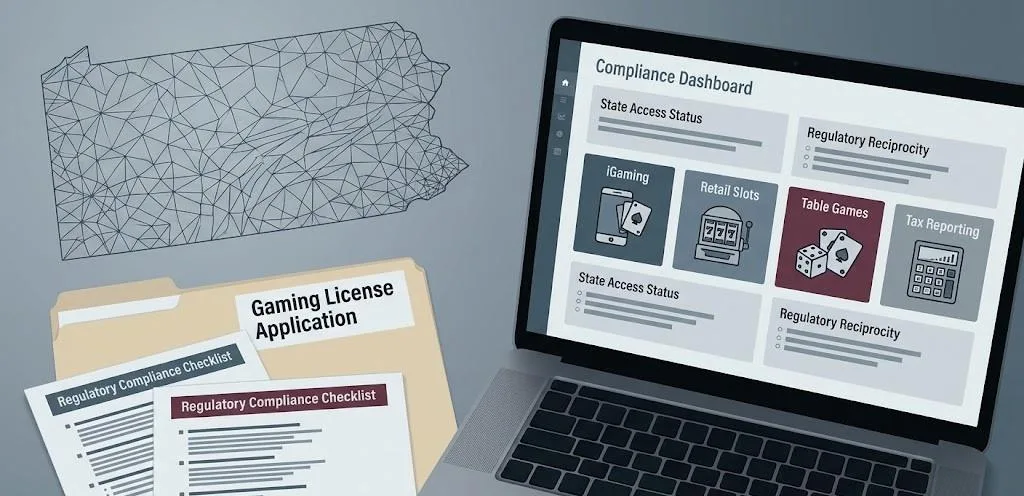
For players, regulation does not remove risk. Casino games still have a house edge. Slots still produce volatility. Table games still require discipline. Online access can still create faster sessions than a physical casino visit. Yet regulation can create clearer standards around licensing, revenue reporting, operator accountability, self-exclusion, and complaint pathways.
Pennsylvania’s numbers also show why legal access cannot be discussed as if the United States were one single casino market. Online casino rules vary by state. A platform available to a player in Pennsylvania may not be available to a player in Texas, California, Florida, or Georgia. Sports betting expansion does not automatically mean online casino expansion. State law, regulator approval, operator licensing, age rules, geolocation, and identity checks all shape access.
That is why readers should be cautious with broad “best casino USA” claims. A more useful comparison starts with jurisdiction. Is the platform licensed where the user is located? Does it publish clear terms? Does it support recognized payment options? Does it show responsible gambling tools before a user deposits? Does it explain withdrawal checks and identity review in plain language?
Responsible Gambling Tools Belong In The Same Market Story
A record revenue month should not be covered only as an operator success story. Higher online casino volume means more people are interacting with digital gambling products through phones, tablets, and computers. That makes responsible gambling tools part of the core product review, not a side note.
Pennsylvania offers self-exclusion options for people who want to voluntarily distance themselves from casinos, internet-based gambling, video gaming terminals, and fantasy sports wagering through the state’s self-exclusion resources. Those programs are relevant because digital casino access can compress time, money, and emotion into shorter sessions than many players expect.
Players comparing casino sites should look for practical controls before they look at promotional language. Deposit limits, loss limits, cool-off periods, session reminders, self-exclusion access, clear account history, and simple withdrawal visibility all matter. Those tools do not make gambling risk-free, but they can help users keep play inside personal boundaries.
Best Casino USA already frames this issue through practical planning, including its guide to building a responsible gambling plan. That kind of planning fits the Pennsylvania story because revenue growth and user protection need to be discussed together. A larger market should create more pressure for clearer tools, better education, and more transparent platform design.
What Casino Players Should Compare After Pennsylvania’s Record Month
Pennsylvania’s May data does not tell players which casino to choose. It tells them what questions to ask. The growth of online slots, the size of the regulated market, and the mixed performance across table games and poker all point toward a more careful comparison process.
Players should start with legal availability in their own state. Then they should review game categories, withdrawal terms, identity verification rules, payment methods, responsible gambling tools, and software stability. Bonus offers can be reviewed after those basics, not before them. A large bonus with unclear wagering rules is less useful than a smaller offer attached to transparent terms.
The same discipline applies to game selection. Slot players should compare volatility, betting range, RTP information where available, and session pacing. Blackjack players should look for rule variations, table limits, live dealer quality, and basic strategy compatibility. Poker players should focus on traffic, rake structure, tournament options, and software reliability. Roulette players should know the difference between single-zero and double-zero formats before choosing a table.
Pennsylvania’s record revenue month shows that online casino growth has reached a scale where smarter comparison is no longer optional. The market is bigger, more visible, and more data-driven than it was a few years ago. For players, that creates more choice, but also more responsibility. The strongest casino comparison is not the one that promises the biggest upside. It is the one that helps users understand the rules, the risks, the math, and the tools available before they play.